Use a fitness app, journal, or calendar to record your workouts. Seeing fitness apps with transparent subscriptions your consistency can help build momentum and be motivating. If you find positive reinforcement helpful, share your progress with friends and family.
The Impact of Hydration on Performance
Time to set new goals or try a different training approach. I’ll also refer to this idea as Training Density (my term). Is skipping breakfast the key to better health and weight loss? Intermittent fasting has gained massive popularity, but does it live up to the hype?
Guides
To navigate through plateaus, consider varying your workouts by incorporating new exercises or adjusting the intensity of your current routine. The key takeaway is to select a workout tracking method that caters to your individual needs to ensure sustained commitment to your fitness goals. It’s important to balance flexibility, convenience, and detail of analysis in your selection.
Yes, you can log any workout from the library anytime. There are also eight individual workout categories, including at-home, travel, dumbbell-only, and bodyweight. If you want general training optimization advice (how to structure sessions and periodize), see Optimize Your Training | Expert Tips and Workout Guides.
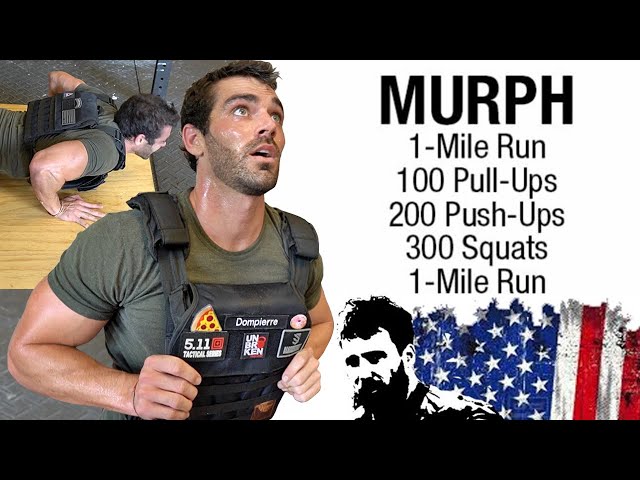
Others rely on a fitness app or workout tracker to pull up previous workouts instantly. Tools like FitBudd make this easier by organizing workout logs and highlighting past performance without overwhelming users. This approach supports clear fitness goals like building muscle, improving push ups or pull ups, or increasing overall strength. It also reduces wasted sessions where you repeat the same workout without progress. The best way to track workouts is not about using the most advanced tool. It is about choosing a system you can follow every week.
- Seeing friendly faces will motivate you to show up for your workout.
- If tracking calorie consumption and macro splits is essential for your fitness goals, a nutrition-focused app like MyFitnessPal might be your pick.
- Choose activities you enjoy to ensure long-term adherence.
- Hydration plays a vital role in both physical and psychological performance.
- Technology continues to evolve, offering new possibilities for monitoring and improving fitness performance.
- Understanding what to track is just as important as how to track it.
The data you collect should paint a clear picture of the specific stimulus you’re trying to create. Strength demands heavy loads and full recovery, while hypertrophy thrives on more continuous tension and metabolic fatigue. When hypertrophy (the fancy word for muscle growth) is the name of the game, the focus shifts. You’re less concerned with pure one-rep strength and more interested in creating metabolic stress and muscular tension. Volume is still king, but a few other variables become critical. Keeping a journal creates a visual progression timeline, boosting motivation and accountability.
Tips for Taking Effective Progress Photos:
His experience includes supporting platforms that target personal trainers, gym owners, and fitness creators. Through long-term involvement in fitness marketing, he remains closely connected to how fitness professionals discover and adopt digital tools. Everyone has different bodies, fitness journeys, and goals. Your focus should be your own training and improvement. We offer digital workout logs while keeping the focus on training, not endless data entry. This information gives you a clear picture of previous performance without overloading your workout log.
Full Body Workout vs Split: Pros, Cons & How to Pick
Most tracking tools today stop at sets and reps. They don’t capture the bigger picture of your health, and they don’t give you the flexibility to train the way you want. Devices like Fitbit, Garmin, and WHOOP automatically track many aspects of your workouts and overall activity levels. From heart rate to calories burned, they provide a wealth of information that can supplement your manual logs. If you prefer customization, creating your own workout spreadsheet might be perfect. It’s crucial to understand that finding the best workout tracking method depends heavily on personal preference and lifestyle. Equally important is being aware that the best method of tracking will provide a balance of convenience, flexibility, and detailed analysis.
Use Velocity-Based Training
After warming up, you get into the Smith machine for your Incline Press. A deload is a short period, usually a week, where you intentionally back off to let your body fully recover so you can come back stronger. Collecting all this data is one thing, but knowing what to do with it is where the real magic happens. For example, you finish a tough set of squats and know in your gut you could have done two more reps before your form broke down. To take your training from good to great, you need to track not just what you did, but how hard it actually felt.
How do you assess improvements in cardiovascular fitness?
The “track everything” approach burns people out fast. You don’t need to log your heart rate variability, sleep score, macros, steps, water intake, and 15 different workout metrics. Choose 3-5 performance benchmarks relevant to your goals. Test them monthly, not weekly—you need time for actual improvement to occur. Record the conditions of each test (how you felt, sleep quality, nutrition that day) because these factors affect performance.
Why Tracking Your Workouts Is the Key to Real Progress
In the digital age, numerous fitness apps and wearable devices can simplify the tracking process. These tools offer features such as workout logging, heart rate monitoring, calorie tracking, and even sleep analysis. Popular fitness apps like MyFitnessPal, Strava, or Fitbit can provide valuable insights into your progress, helping you stay on track and achieve your goals. For beginners, the best way to track workouts is to keep it simple. A basic fitness journal or a simple workout log works best.

Track Training Density
Tracking small achievements — like completing all your scheduled workouts in a week — builds momentum and self-belief. These “small wins” add up to major results over time. Seeing your improvements on paper (or an app) can be incredibly motivating. On tough days when progress feels slow, you can look back and see just how far you’ve come.
Goal Setting and Review
Think about your day-to-day life and what sort of workout fits into that. If you don’t have time to go to a gym, consider keeping a pair of walking shoes in your car or at your desk. Then, any time you find yourself with 20 minutes to spare, take a quick power walk.
Develop an understanding about Drills, Core Work, and Weight Training. There’s a hidden neurological hack that makes you stronger without adding a single pound of muscle and it’s the secret weapon elite lifters use to break records. Your client knows that it’s best to rest at least three minutes between sets for compound movements like the deadlift, bench press, overhead press, and squat. As an educated, certified personal trainer, you should take a closer look at your client’s adherence to the prescribed workout and nutrition recommendations. The future of workout apps lies at the intersection of personalization, community, and trust.
Without logging exercises, reps, and rest times, progress stalls. Once you remove the noise, workout tracking becomes much easier. You only need to track key metrics that directly support your fitness goals and help plan your next workout. A study by the American Council on Exercise found that people who tracked workouts were significantly more likely to complete their training program over 12 weeks.