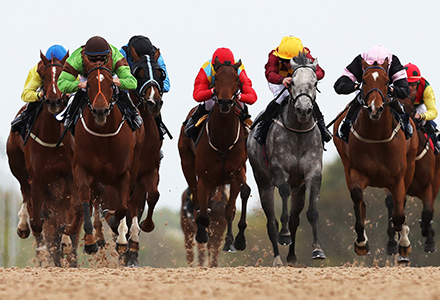
The Challenges and Opportunities in British Horse Racing
The British horse racing industry is one of the oldest and most revered in the world, known for its rich history, prestigious events, and the sheer excitement it brings to millions of fans. However, the sport is not without its challenges. In recent years, various factors have affected its popularity and accessibility, leading some enthusiasts to seek
British horse racing not on GamStop bookies not on GamStop horse racing as alternatives to mainstream betting options.
A Brief Overview of British Horse Racing
Horse racing in Britain can be traced back to the Roman era, but it truly flourished in the 18th century. Today, it encompasses flat racing, jump racing, and harness racing, with numerous prestigious events such as The Grand National, The Derby, and Royal Ascot capturing the hearts of fans. These races not only showcase the agility and speed of thoroughbreds but also represent significant economic sources, contributing to jobs, tourism, and rural economies.

Regulatory Challenges
Despite its rich history, the British horse racing industry faces numerous regulatory challenges that affect its growth and appeal. Stricter regulations, particularly regarding gambling, have been introduced to protect consumers. However, this has led to a tightening of the market, making it increasingly difficult for some operators to compete. The introduction of platforms aimed at responsible gambling has seen a shift towards betting on licensed sites, pushing some punters to seek alternatives, such as the bookies not on GamStop horse racing, where restrictions may not apply.
The Impact of COVID-19
The COVID-19 pandemic has significantly impacted the British horse racing calendar. With races canceled or held without spectators, revenue has plummeted, affecting not just the organizers but also trainers, jockeys, and the entire ecosystem of the sport. The inability to hold on-ground events led to a surge in digital engagement, with many racing bodies adapting to new norms through live streaming and virtual events, thereby reaching a broader audience. However, this shift has also exacerbated the reliance on online betting platforms.
The Role of Alternative Betting Platforms
As the landscape of sports betting continues to evolve, so too do the needs of the punters. Many individuals are exploring alternatives to traditional betting platforms. The preference for bookies not on GamStop horse racing has emerged, as bettors seek platforms that offer more freedom and flexibility without the restrictions imposed by GamStop. While these platforms can provide critical opportunities for those wishing to enjoy betting without limitations, they also come with their own risks, including the potential for problem gambling.
The Importance of Maintaining Integrity in Racing
The integrity of British horse racing is paramount. The industry is striving to maintain transparency and fairness amidst increasing scrutiny. The Horse Racing Integrity Unit (HRIU) was established to oversee the sport and ensure that rules and regulations are followed. Issues related to doping and race fixing have tainted the reputation of some sections of the sport, causing anxiety among honest participants and fans alike. Maintaining integrity is crucial for restoring public trust and ensuring the long-term sustainability of horse racing in Britain.
Future Prospects: Innovation and Engagement
Looking ahead, British horse racing must innovate to survive and thrive in a changing digital landscape. Engaging younger audiences through social media, partnerships with digital influencers, and enhancing the in-person experience at tracks can play a crucial role in revitalizing interest. Moreover, the integration of technology in race tracking, betting, and even in the training of horses offers an exciting avenue for growth. By being open to changes and challenges, the industry can not only attract new fans but also build upon its rich heritage.